cell_tower
Broadcast Station
visibility
32 views
schedule
1 month ago


CULCHR.TV
Vintage Exclusive
Up Next
Network Discovery

visibility
32 views
thumb_up
11
comment
2
schedule
41:42
2026
1 month ago
Today, we bring you a very special 100th episode of Curator’s Corner! What makes this so special is that it was decided by you – our wonderful audience. You are the reason this series has been so successful, so it feels only right that you had the chance to decide the topic of this episode.
You all came up with fantastic ideas – but it was the Amarna Letters that were one of the most requested topics, and even more requested was Irving Finkel talking about, well, pretty much anything. So, we thought we'd give you both. You deserve it.
Over 3,000 years ago, the rulers of the ancient world were sending each other letters: negotiating marriages, exchanging lavish gifts, complaining about missing gold, reporting wars and, occasionally, desperately begging Egypt to send help.
The Amarna Letters are an extraordinary collection of cuneiform tablets discovered at the ancient Egyptian city of Akhetaten (modern Amarna). Dating largely to the 14th century BC, they preserve diplomatic correspondence between the Egyptian pharaohs and the rules of the Late Bronze Age world.
Join Irving Finkel as we explore how the Amarna Letters were discovered, why Egyptian officials were corresponding in a Mesopotamian language, and what these remarkable tablets reveal about warfare and politics in the ancient world.
Turns out international diplomacy hasn't changed that much in 3,300 years.
TIME STAMPS:
00:00 100th Episode!
00:45 The Discovery of the Amarna Letters
03:35 What Are the Amarna Letters?
05:40 Reading transcriptions of the Amarna Letters
06:50 Gold, Gifts & Royal Marriages
13:38 Complaints to the Pharaoh. And more gold.
20:20 Habiru and Crisis in Canaan
30:55 Why Were Egyptians Writing in Cuneiform?
36:32 Fear the wrath of Irving Finkel
40:50 Secret message revealed...
--------
ATTRIBUTION:
Images sourced from:
British Museum, Vorderasiatische Museum, Cairo Museum, National Portrait Gallery
Map animations:
Merideo
© OpenStreetMap contributors · ESA WorldCover, via VersaTiles (CC BY 4.0) · Mapzen Terrain Tiles, DEM Sources
apparel
Vintage
steps
Sneakers
checkroom
Streetwear
sports_esports
Gaming
travel
Travel
chef_hat
Food
broadcast_on_home
Tech
child_care
Kids
sell
Reselling
sports
Sports
comedy_mask
Comedy
tv_guide
Entertainment
skateboarding
Skate
style
Cards
history_2
Retro
money_range
Business
headphones
Music
dictionary
Learn
rss_feed
News
wall_art
Art
landscape
Outdoors
newspaper
Docuseries
manga
Anime
sports_kabaddi
Wrestling
styler
Lifestyle
car_gear
Auto
supervisor_account
Reality
shopping_bag
Shopping
diamond
Luxury
military_tech
Military
borg
Sci-Fi
language_international
International
grass
Western
weather_hail
Weather
movie
Movie
car_gear
Engineering
casino
Gameshow
home_and_garden
Home
universal_local
Local
bath_soak
Relaxation
More to Watch

50:50
Rare Uncensored Footage From The Dawn Of WW2
6K views • 2 months ago

4:07
A Dangerous Landing in a Violent Storm 👨✈️ Air Disasters
17.4K views • 3 years ago

45:01
Russian Plane Crash: 44 Dead From Shocking Pilot Error
5.4K views • 9 months ago
10:55
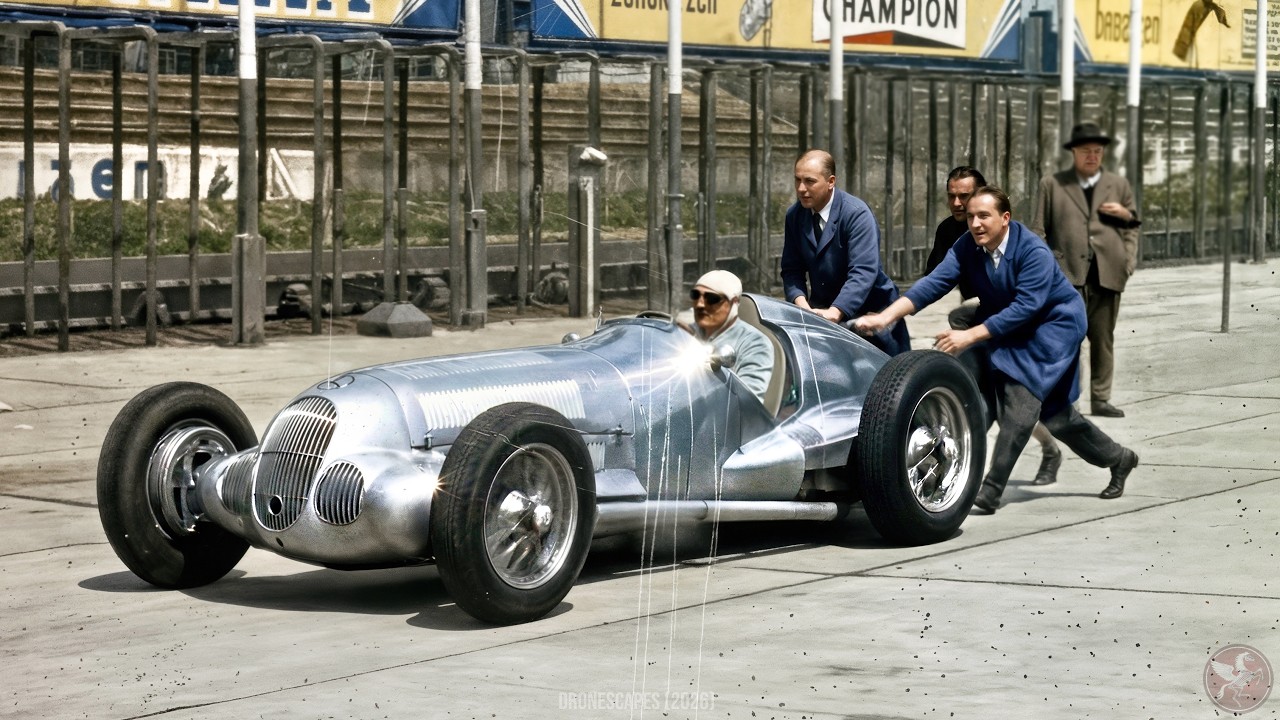
The Pre-War 645 Horsepower W125 Mercedes At The Mighty Nürburgring In 1937
33.7K views • 7 months ago

22:15
P-51 Mustang: America's Ultimate WWII Fighter
688 views • 7 months ago

12:41
Why Alien's Space Truckers were Believable
122.3K views • 2 months ago